
After seven years of negotiations, Trout Unlimited is joining co-signers to support an agreement that improves hydropower operations and makes extensive restoration investments in the revered Puget Sound watershed
The Skagit River is Puget Sound’s largest tributary and home to critical Washington populations of steelhead and resident rainbow trout, bull trout and Dolly Varden, Pacific lamprey, coastal cutthroat, and runs of all five North American Pacific salmon species, including a large portion of Puget Sound’s remaining Chinook.
The basin is home to numerous communities built around fishing, agriculture and logging, and three federally recognized treaty tribes: Upper Skagit Indian Tribe, Sauk-Suiattle Tribe and Swinomish Indian Tribe. Sections of the watershed have been protected as Wild and Scenic since 1978.
Among steelhead anglers, the Skagit is renowned for its iconic winter fishery. After being closed for over a decade, anglers have celebrated the season’s return in recent years thanks to improving numbers of wild winter steelhead and a new, conservation-focused fishery management plan developed by co-managers and approved for a ten-year period by NOAA.
(Last year, funding shortfalls didn’t allow for a season. Trout Unlimited (TU) grassroots and state policy staff are calling on legislators to fund the Puget Sound monitoring programs that make the beloved fishery possible.)
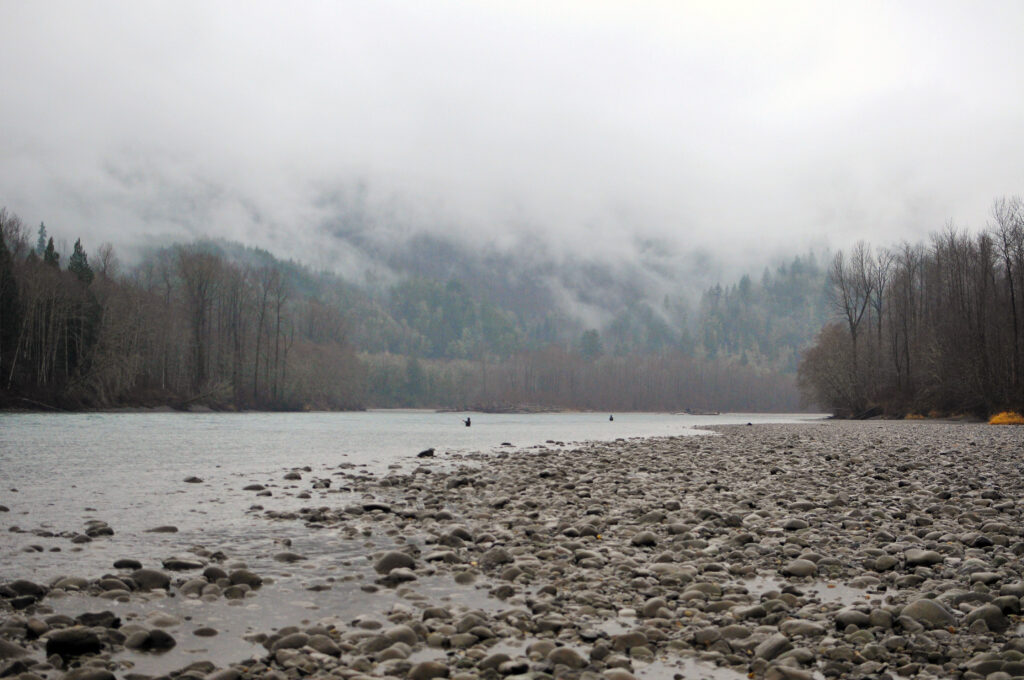
Above: A cold, January day hangs over the valley and anglers work their way through a run on the Skagit River.
Image: Luke Kelly/TU
The basin is also an important regional hydropower producer. Three large dams owned by Seattle City Light (SCL) are in the midst of a multi-year relicensing process. After seven years of work, the process has reached an important milestone as Seattle City Light, along with 14 Licensing Partners, including TU, have signed a comprehensive settlement agreement that will provide a wide range of mitigation activities over the 50-year term of the next federal license.
As a co-signer to the agreement, TU believes this once-in-a-generation $4 billion mitigation package is a reason to celebrate. Like most collaborative efforts, there were compromises along the way. But as the largest hydropower mitigation package ever proposed by any utility, we believe this monumental investment into the Skagit Valley will provide immediate and long-term benefits to fish and communities and establishes a science-based framework that will guide ongoing collaboration and adaptive management among participants.
The Skagit River Hydroelectric Project
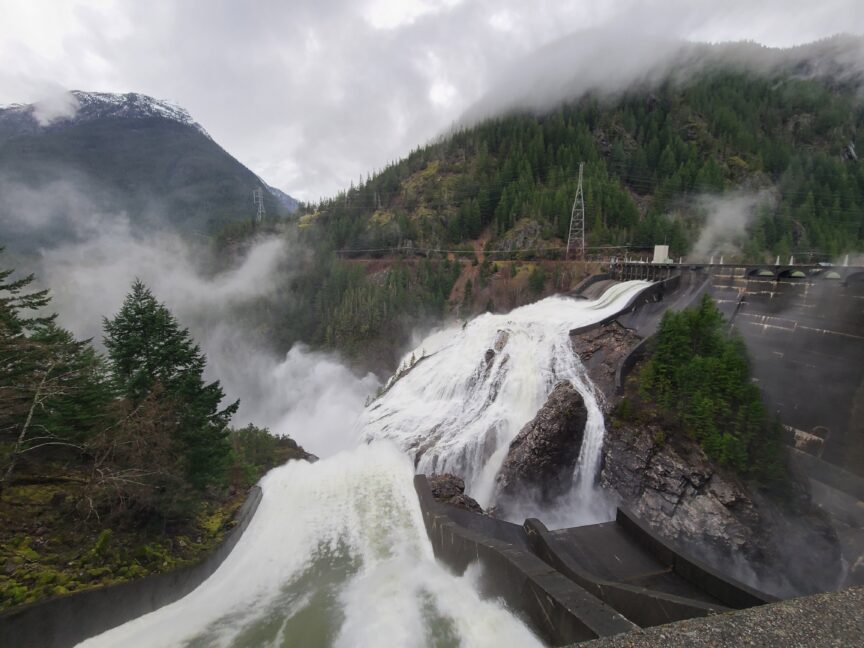
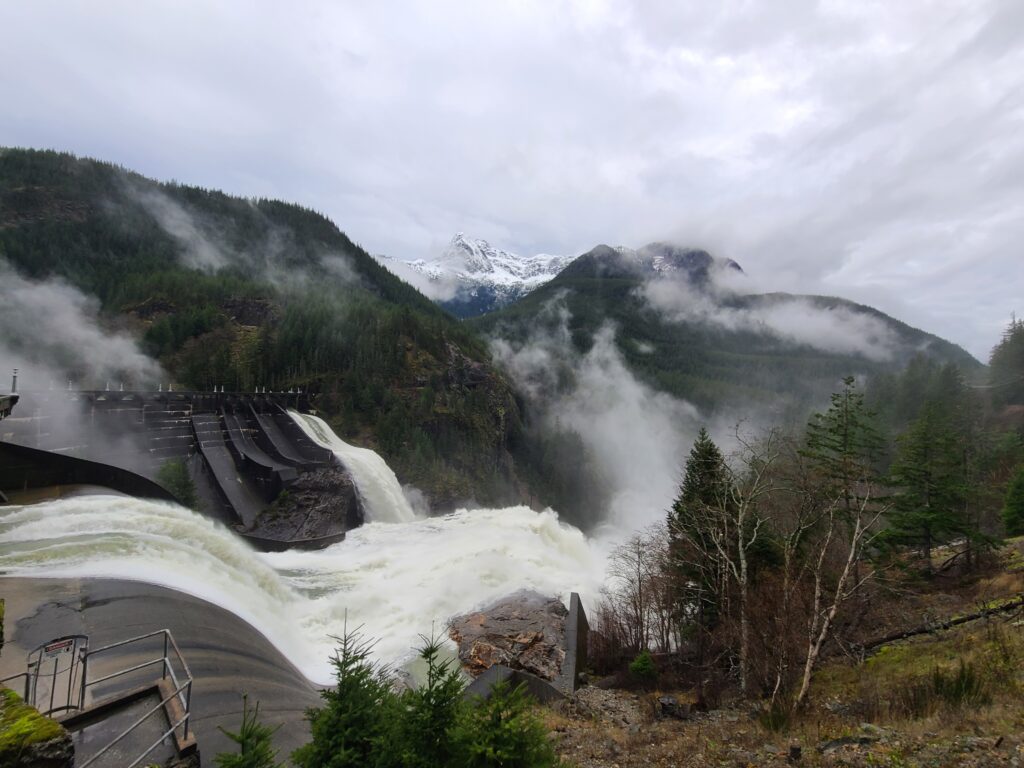
The Skagit River Hydroelectric Project consists of three power-generating dams along the upper Skagit, high in the North Cascades and well into North Cascades National Park. These three dams were completed by SCL over a period of almost two decades, beginning in 1921 with the construction of the Gorge Dam, the lowest dam on the river, followed by Diablo Dam in 1930 and Ross Dam in 1940. (Ross Dam was raised to 540 feet in 1953). Collectively, the dams can supply the City of Seattle with 840 megawatts, which provides about 20 percent of the Seattle’s electricity each year.
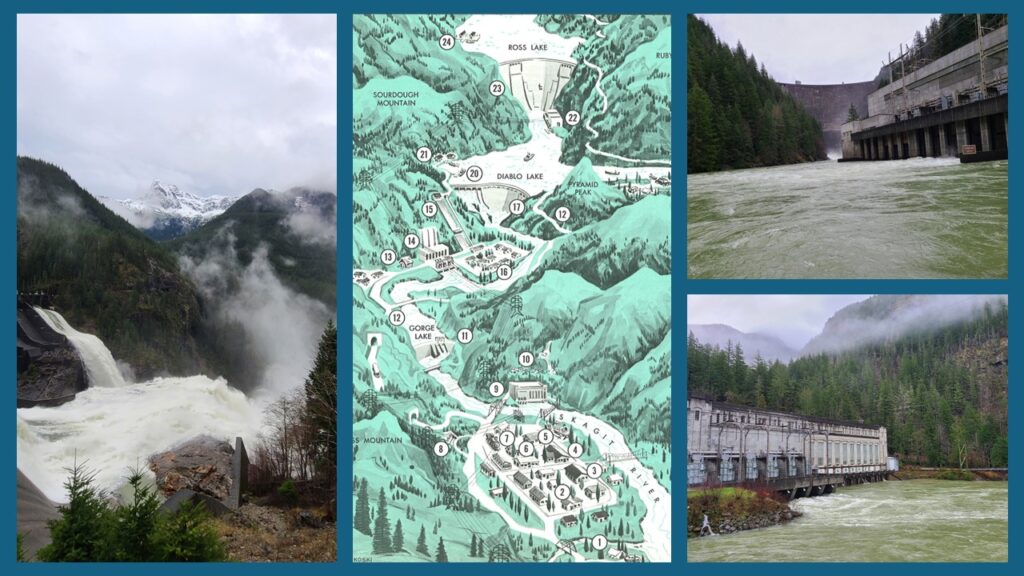
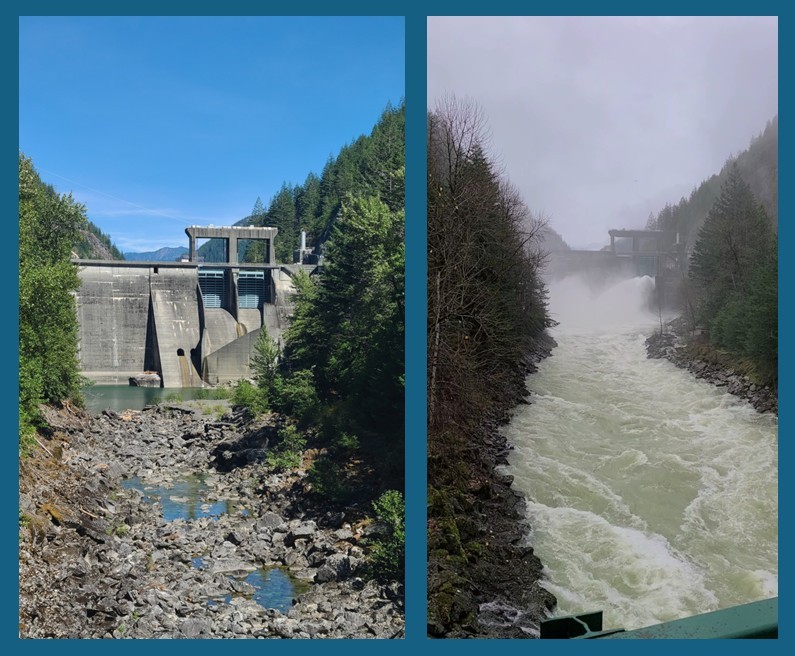
While Ross and Diablo operate as standard high-head dams, water that comes through Gorge Dam is diverted away from the river and through a three-mile-long tunnel to the Gorge Powerhouse where it drives turbines before being released back into the river at Newhalem.
This diversion leaves the Gorge Bypass Reach, a section of the Skagit mainstem almost three miles long, dewatered during most of the year. To the Upper Skagit Indian Tribe (USIT), this region is known as Valley of the Spirits, the place of the USIT’s origin story. Tribal people have come to fish, hunt, and gather here for over 10,000 years.
To operate hydropower facilities, owners—in this case Seattle City Light—must obtain a license from the Federal Energy Regulatory Commission (FERC), an independent agency overseen by a five-member commission that regulates over 1,600 non-federal hydroelectric projects across the country.
The current SCL hydropower license, issued by FERC in 1995, had a 30-year term and expired in 2025. Until the new long-term license is issued by FERC, SCL is operating the dams under annual licenses.

These three dams are not the only hydropower facilities in the Skagit River basin. The Baker River, a major tributary to the Skagit near the town of Concrete, has two dams operated by Puget Sound Energy (PSE) and are operated under a separate FERC license but includes many of the same Licensing Partners that are participating in the Skagit River hydropower relicensing. The hydropower relicensing timeline is typically a five-year process but can often take longer. SCL began the current process in 2019, a year ahead of schedule, but given the size of the project, the complexity of the issues, and the various mitigation measures required and requested in the process, it is anticipated the new license won’t be issued by FERC until 2030.
Mitigation frameworks
Since most hydropower licenses are issued for a 30 to 50-year term, the relicensing process is a once-in-a-generation opportunity to engage in a collaborative public process and provide input to help improve hydropower operations and develop mitigation measures. Areas impacted by hydropower operations cover a range of topics including fisheries, recreation, cultural, wildlife and habitat.
We are in year seven of this relicensing process and are weeks away from SCL submitting a completed comprehensive Settlement Agreement to FERC for approval. This Settlement Agreement, a legal agreement between SCL, three Tribal governments, seven federal and state agencies, and four non-governmental organizations, including TU, contains protection, mitigation, and enhancement measures that SCL and Licensing Partners are requesting be included in the new 50-year license.
This Settlement Agreement is a result of a negotiated, collective approach and reflects a shared path forward for managing resources and mitigating for hydropower’s ongoing impacts in the Skagit watershed. SCL’s operational priorities for the Skagit dams, which include flood risk management, fish protection, recreation and power generation, guided this part of the process.
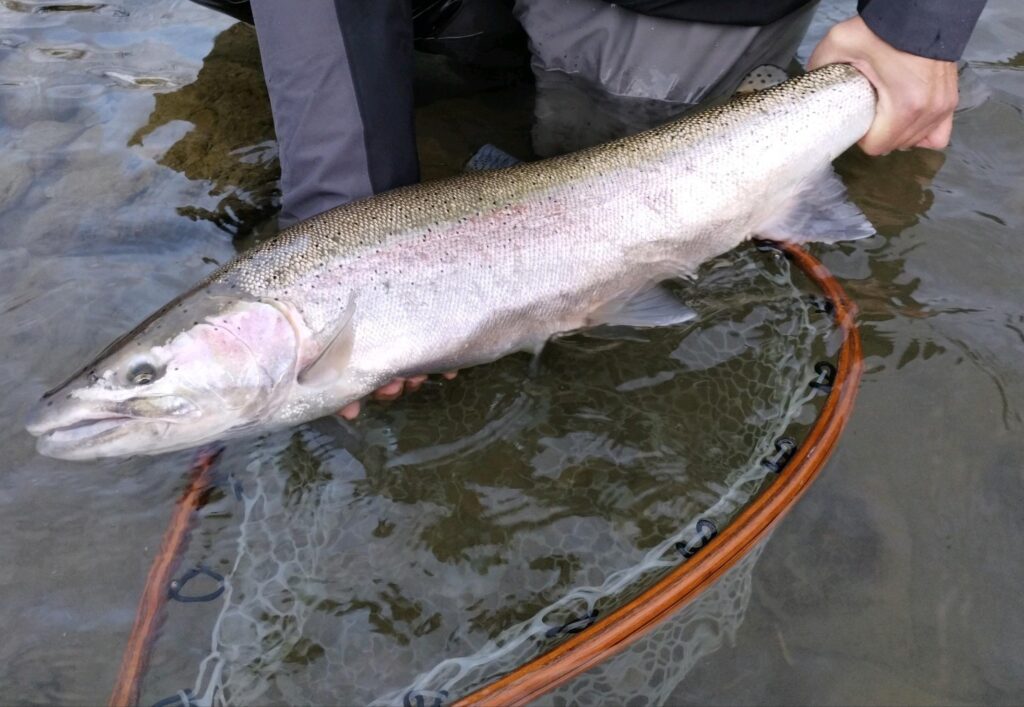
Image: Greg Fitz/TU
“…as the largest hydropower mitigation package ever proposed by any utility, we believe this monumental investment into the Skagit Valley will provide immediate and long-term benefits to fish and communities and establishes a science-based framework that will guide ongoing collaboration and adaptive management among participants.”
Multiple years of meetings, work groups, and field studies among the Licensing Partners has resulted in a 1,000-page draft Settlement Agreement that provides almost $4 billion worth of mitigation investments.
Highlights from the Settlement Agreement include commitments for:
- Upstream and downstream fish passage through all three facilities to aid in salmon and steelhead recovery and support tribal harvest
- Supporting Tribal sovereignty and cultural resources
- Managing flood risk throughout the Skagit valley
- Restoration of estuary and mainstem habitats to support salmon and steelhead recovery
- Public recreation enhancements, including trails, river access and campsites
- Continued funding for outdoor education opportunities
- Ongoing scientific research and data sharing that is supported by an adaptive management framework
Additionally, this Settlement Agreement was developed with considerations for a changing climate over the next 50 years and any resulting environmental impacts that might reshape the watershed.
Downstream actions and investments
This Settlement Agreement will provide significant commitments intended to benefit salmon and steelhead recovery. The mitigation measures include investments in habitat restoration and changes to operational flows, such as:
- $75 million for mainstem habitat enhancements to address limiting factors for salmon, steelhead and bull trout, with the goal of restoring ecosystem functions
- $75 million for estuary habitat enhancement, with a goal of achieving 1,300 acres of estuary habitat restoration over the next 15 years
- $750,000 will be provided annually over five years to support ecosystem monitoring and adaptive management, greatly improving our ability to monitor ESA-listed stocks in arguably the most important watershed in the Puget Sound
- Development of the Skagit Riverscape Ecosystem Plan (REP) to minimize the negative effects of project operations on fish populations in the basin, including considerations and protections for salmon and steelhead spawning, fry protection, and fry outmigration. The REP will consist of:
- a Flow Management Project (FMP), to help establish channel forming flows and reduce negative effects on fish when flows are reduced for hydropower operations
- and an Aquatic Habitat Project (AHP), which will guide the implementation of habitat enhancement downstream of the Gorge powerhouse
Anadromy and fish passage
One of the biggest—and most controversial—components of the new license agreement is the Fish Passage Program Plan (FP3). SCL has committed almost $1 billion toward this work.
Historic accounts, records and studies regarding anadromous fish in the basin vary; some indicate that there were no anadromous fish upstream of any of the SCL dams, while others suggest that there were anadromous fish above at least some of them.
For decades, SCL-cited studies supported the position that anadromous fish did not ascend the river past the Gorge Bypass. This was a widely accepted position held by SCL and most federal and state agencies until as recently as 2019, as stated within NOAA’s Puget Sound Steelhead Recovery Plan. But within this relicensing process, more evidence and public pressure showed that fish most likely did travel past the Gorge Bypass and even possibly beyond the site of the Gorge Dam into some of the tributaries accessible in this reach, including Stetattle Creek.
Today, some of the details about the extent of fish migration remain inconclusive, which is why more work is needed to fully understand the species type and the extent of anadromous fish distribution into the upper watershed. This research is part of the FP3 plan and a commitment from all signatories to the Settlement Agreement.
While there were many competing positions about what extent salmon and steelhead historically accessed the basin above the three dams, SCL and the Licensing Partners have committed to the FP3, which includes upstream and downstream fish passage facilities at Gorge, Diablo, and Ross dams. Given the size of these three dams, the plan proposes to use trap and haul facilities for both upstream and downstream fish collection.
The program’s primary goals are to help recover fish species, including those protected under the Endangered Species Act, while also supporting the tribal treaty rights by potentially increasing opportunities for sustainable fish harvests. By providing fish passage, FP3 seeks to improve the overall resilience of the river ecosystem to climate change and other environmental shifts.
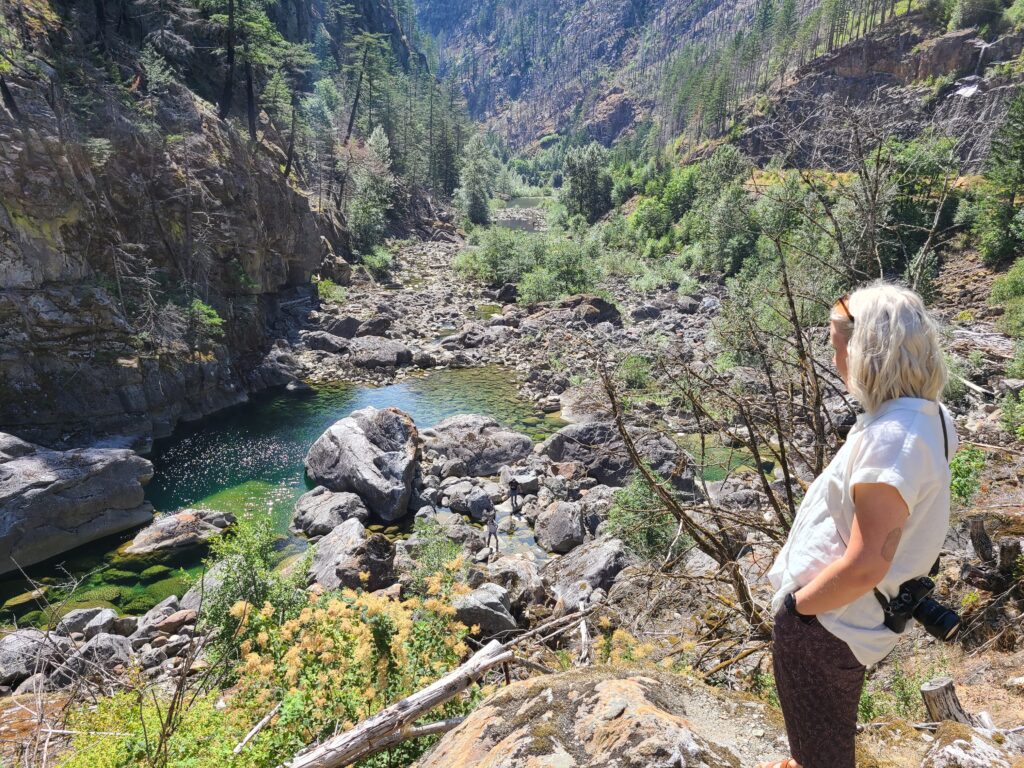
This element of the Settlement Agreement is a long-term commitment that will take several decades to fully realize. SCL has committed almost $1 billion for the design and construction of these facilities over the 50-year term of its new license. The FP3 operates on a strict timeline, requiring all facilities to be finished and operational within 24 years of the license being issued, and meet rigorous performance standards by year 30. The first major milestones include building an upstream fish collection facility at the Gorge Powerhouse and a downstream collector at Ross Dam, which is scheduled for completion by year 11.
The FP3 is guided by a science-based decision-making process, with a dedicated Fish Passage Work Group consisting of Licensing Partners that will oversee the program’s development and implementation, ensuring that every step is informed by the best available scientific data. The FP3 requires early action measures, including ecological, biological, genetic, and hydraulic studies (both field and desktop), development of a stock selection plan, and an access report for Ross Dam, to address construction challenges before they arise. Furthermore, the program will use adaptive management, allowing Licensing Partners to refine and improve fish passage methods based on study results, including how various species may interact with the new facilities and habitat.
For some species, such as spring Chinook and coho salmon, there could be significant benefits by providing them with access to the higher-quality habitat upstream of the dams. However, for others such as steelhead, bull trout and sockeye, things are far more complicated.
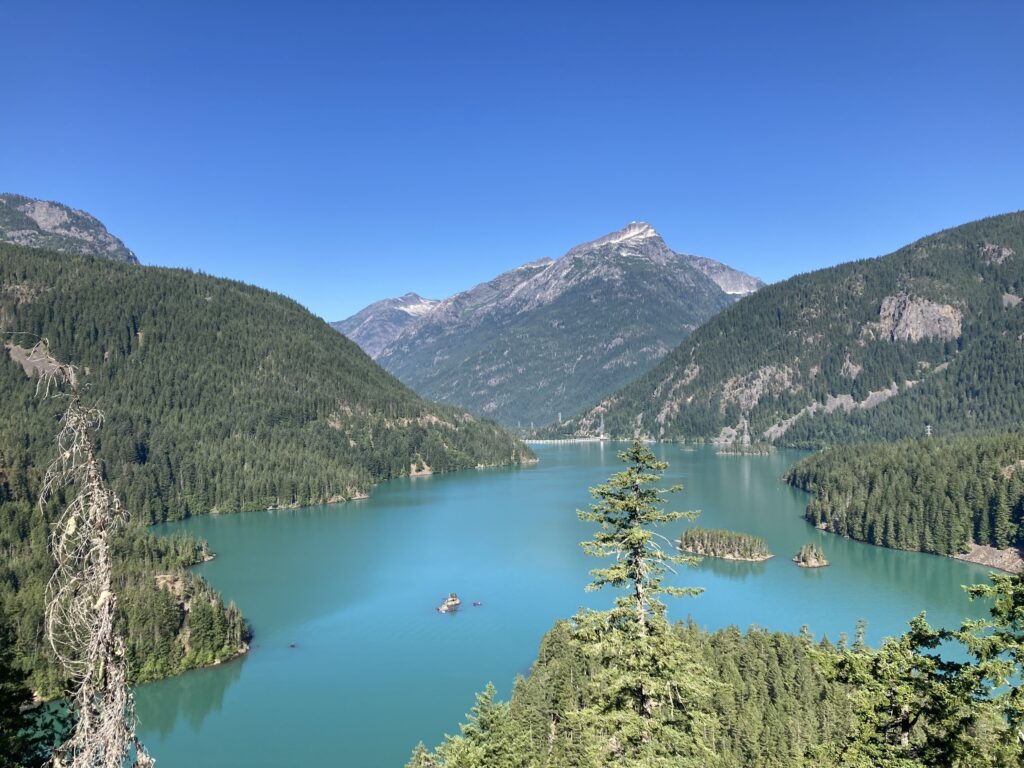
Image: Gary Marston/TU
What about resident trout and char above the dams?
The genetics of the fish community above the dams reveal a compelling story of long-term isolation. These populations also provide important considerations and insights when weighing potential fish passage options and planning at the dams in coming years.
Research shows that bull trout in the upper Skagit are genetically distinct from lower Skagit populations and are more closely related to fish in the Fraser River watershed, just over the international border in British Columbia.
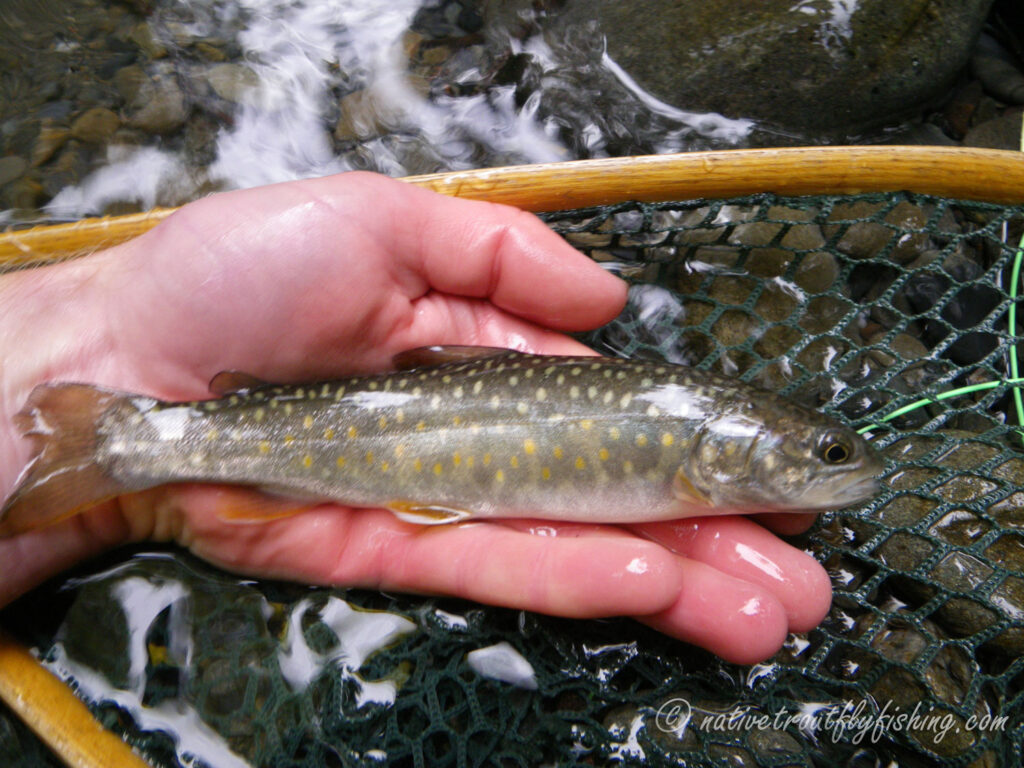
Image: Native Trout Fly Fishing
Dolly Varden, a species distinct from bull trout and more closely related to Arctic char, are also present in the upper watershed. Washington sits at the southern edge of the Dolly Varden’s native range, and nearly all populations in the state are found upstream of natural barriers that prevented hybridization with bull trout. Their presence in upper Skagit tributaries—even with historic barriers now submerged beneath the reservoirs—suggests possible long-standing isolation.
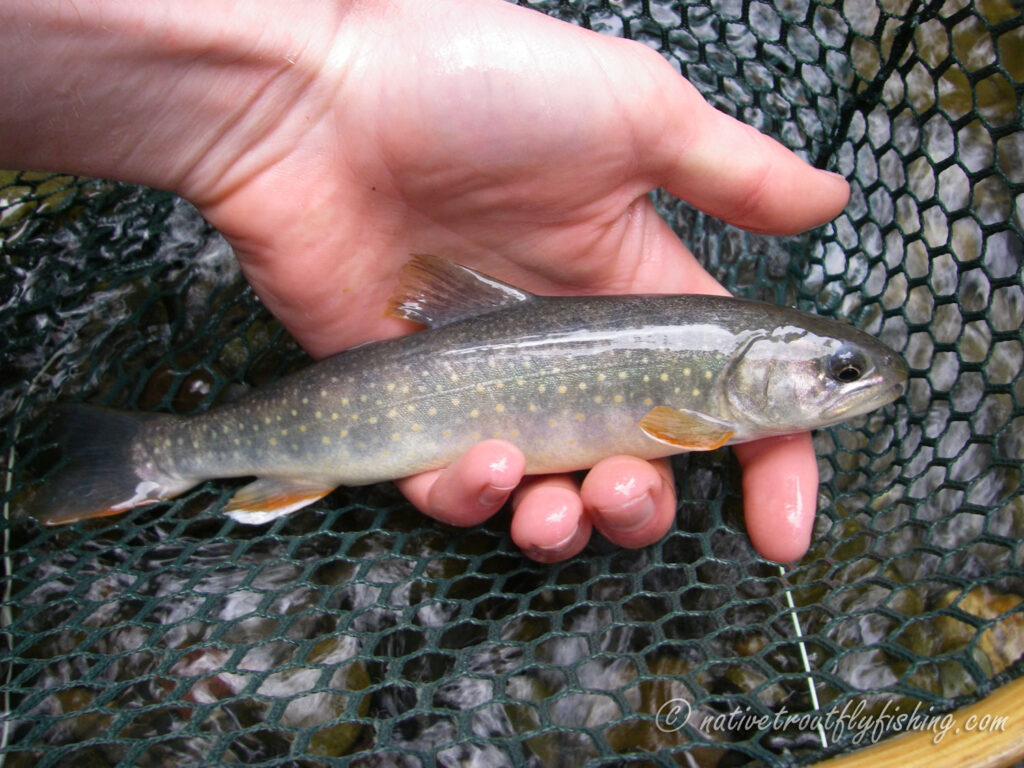
Image: Native Trout Fly Fishing
The trout community tells an equally fascinating story. Rainbow trout above the dams appear genetically intermediate between Coastal rainbow and Interior Redband trout, which is a significantly divergent lineage that was consistently found across all surveyed tributaries upstream of Diablo Dam, despite some questions about the influence of past stocking.
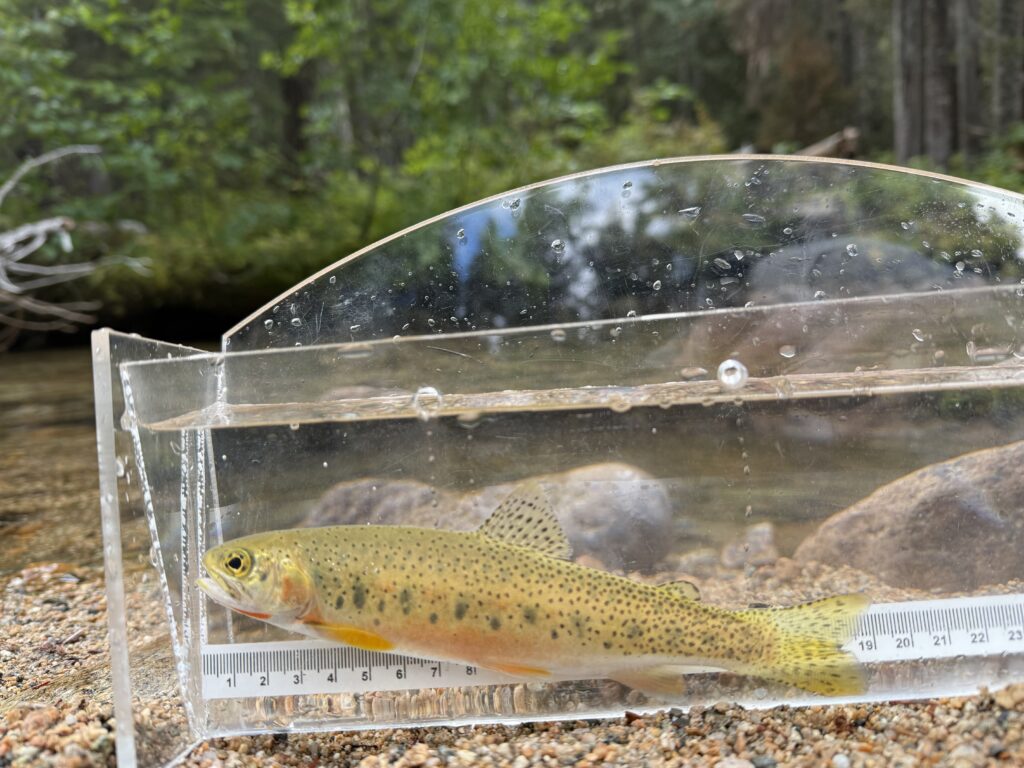
Image: Gary Marston/TU
Adding to the intrigue, westslope cutthroat inhabit the headwaters of most upper Skagit streams, including several with no stocking records. Whether these fish are native or introduced remains unresolved, but if native, they would represent the only westslope cutthroat population west of the Cascade Crest and would be a finding of considerable significance.
Planning fish passage
These genetic findings carry major implications for fish passage planning on the Skagit. Hybridization between introduced rainbow trout and native Redband and cutthroat populations has already caused widespread population losses across the West, so passing either winter or summer steelhead — the anadromous form of rainbow trout — into the upper Skagit will require careful consideration. The same caution applies to bull trout passage, which could potentially disrupt the genetic structure of upstream populations and elevate hybridization risk with Dolly Varden.
Disease transmission across fish species is another serious concern. Populations isolated above the dams for extended periods may have little immunity to pathogens carried by anadromous fish from downstream. This is especially relevant for sockeye salmon, which are known carriers of diseases like Infectious Hematopoietic Necrosis (IHN) and Bacterial Kidney Disease (BKD).
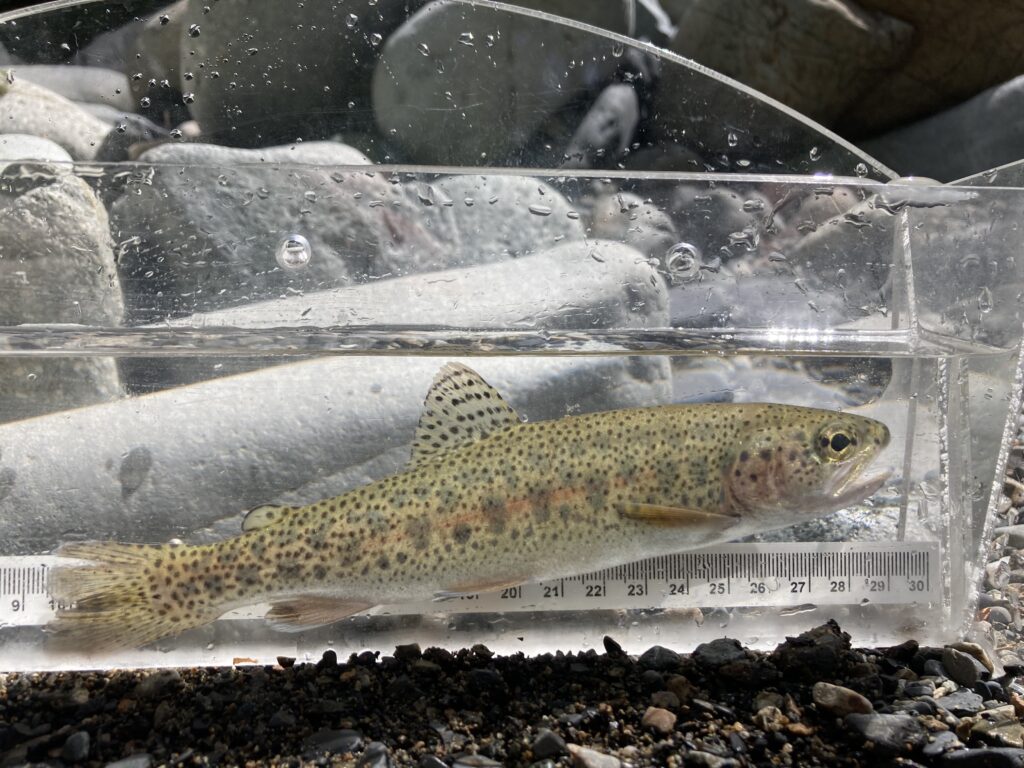
Image: Gary Marston/TU
Given these risks, we’ll continue to advocate for a robust set of studies to ensure that any fish passage program is grounded in the best available science and does not harm the native fish community in the upper watershed.
Downstream fish migration faces its own set of challenges. Fish passage at high-head dams mostly have a poor track record. For example, the reintroduction and fish passage efforts on Oregon’s Deschutes River and Washington’s Cowlitz and Lewis Rivers have all struggled to collect enough smolts to meet population recovery goals.
The core problem is safely and effectively moving juvenile fish downstream. If passage infrastructure isn’t carefully engineered around the biology and migration behavior of targeted species, the upper Skagit could become a population sink where spawners placed above the dams produce far fewer returning adults than if they had remained downstream. Getting this wrong could set back recovery rather than advance it.
With so much at stake for communities and fish, upstream and downstream fish passage must be done right. We’ve appreciated the hard work and good faith efforts of all the partners to navigate this critical aspect of the work. As a Licensing Partner, TU remains committed to contributing productively to this process and throughout the implementation of the new license.
Next steps and license implementation
In March, the Settlement Agreement was inked by representatives from seven state and federal agencies, three treaty tribes, a county government, and four non-governmental organizations, including TU. Later in April, the final draft agreement was approved by Seattle City Council and then officially signed by Mayor Katie Wilson on May 12 at City Hall.
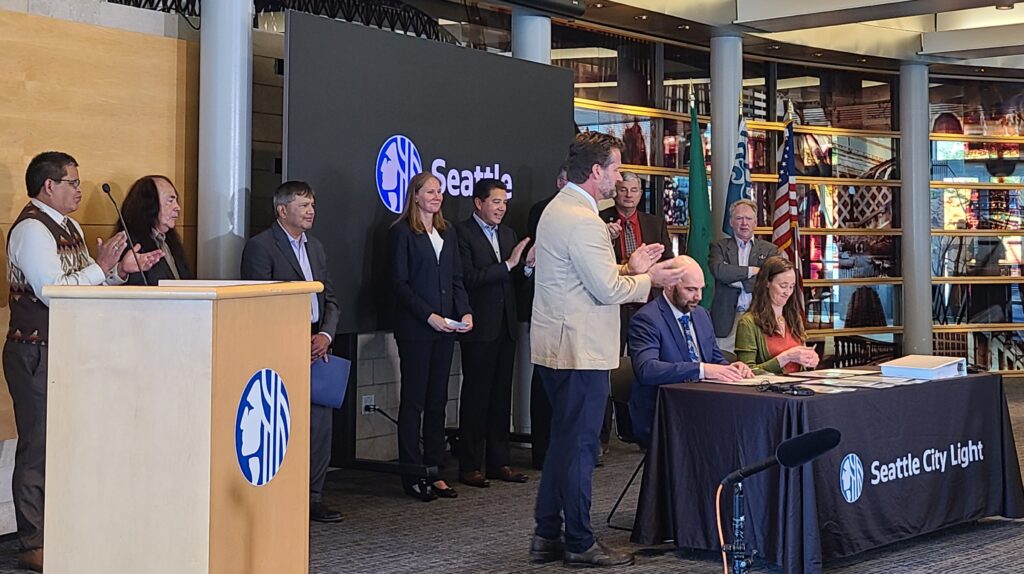
In the coming weeks, SCL will file an amended license application with FERC and move into the next stages of the relicensing process, which includes a review by regional FERC staff, a multi-year environmental review period and a public comment process.
Some of the early implementation actions identified in the Settlement Agreement will begin later this spring and summer, including a meeting of the first Skagit License Implementation Committee (SLIC). Pending any delays, the new 50-year license is expected to be issued by FERC sometime in 2030.
Our participation in the Skagit hydropower relicensing and the future license implementation builds on TU’s commitment to this basin. The watershed is one of our Priority Waters in Washington and we have worked hard to develop, fund and implement the Washington Department of Fish and Wildlife’s Quicksilver Portfolio, which supports the winter steelhead fishery and the monitoring required to ensure it successfully balances a treasured fishing opportunity with wild steelhead recovery goals.
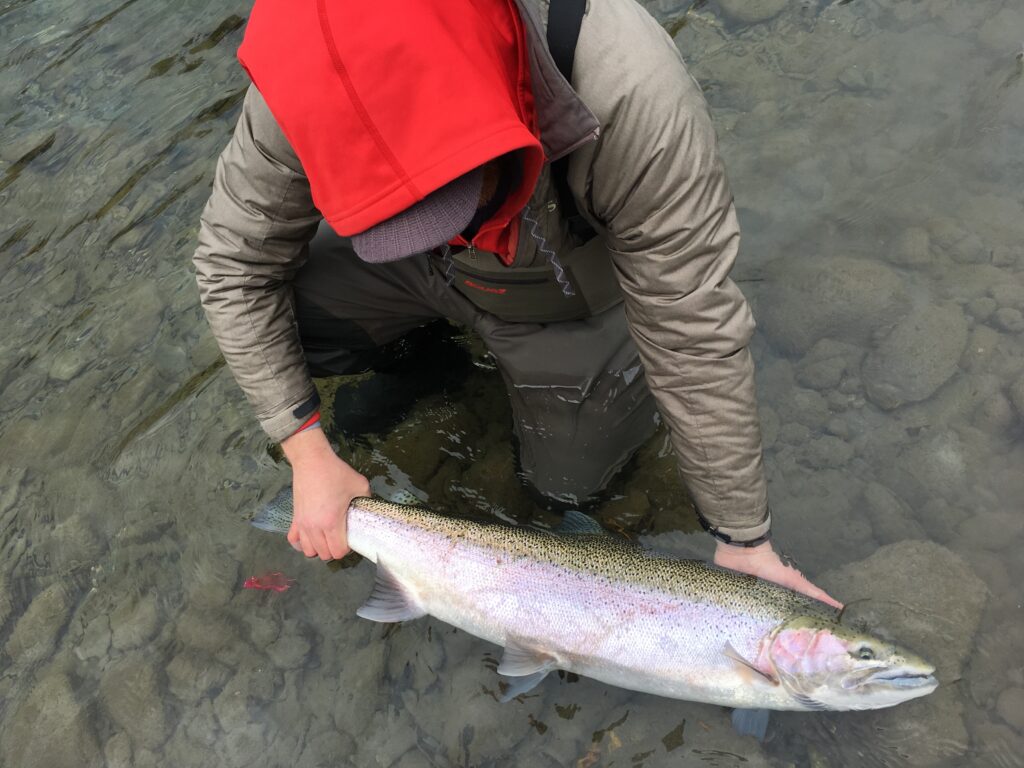
Image: Copi Vojta
TU will continue to engage in the Skagit Hydropower Relicensing process as a Licensing Partner through participation in the license implementation committee and relevant work groups. We’ll continue to provide updates as the process moves forward, including opportunities for public comment.
For more information on the Skagit Hydropower Relicensing, including a copy of the Settlement Agreement and Final License Application, visit Seattle City Light’s Skagit relicensing website and their public documents library.